






Psychology The Dunning-Kruger effect says the least competent people are the most overconfident. A new study from Bath and LSE found it is actually the other way around Jul 29 · 6 min read · Psychological Review
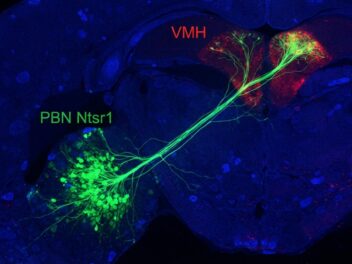
Neuroscience A new study found the brain circuit that explains why you lose your appetite when you are anxious, and discovered it works like a single switch controlling both at once Jul 23 · 8 min read · PNAS
Psychology Social psychology’s most influential theory says mixing different groups reduces prejudice. A re-analysis of 31 studies and 33,000 people found the causal evidence for that is largely a statistical artifact Jul 17 · 8 min read · Nature
Neuroscience New research finds losing just 80 minutes of sleep a night triggers weight gain, but not through the mechanism scientists assumed Jul 27 · 5 min read · Annals of Internal Medicine
Medical Research & Innovations A new study confirmed that frequent TV watching physically changes the brain, then found that sitting at work does something completely different to the same brain regions Jul 21 · 9 min read · Alzheimer's & Dementia
Neuroscience A five-year study of 10,000 adolescents found that the pandemic damaged every teenager’s mental health, then hit the most genetically vulnerable ones with additional harm on top Jul 15 · 8 min read · Nature Translational Psychiatry
Psychology Teens who spend 6 hours a day on social media are twice as likely to develop anxiety. A new study found their risk of suicidal thoughts triples Jul 25 · 6 min read · Pediatrics Open Science
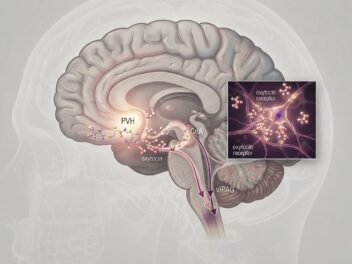
Neuroscience People with narcolepsy collapse when they laugh or feel joy. Scientists just found the brain circuit responsible, and it runs through the love hormone Jul 19 · 9 min read · Nature
Physics Roger Penrose proposed in 1969 that energy could be pulled out of a spinning black hole. A lab in New York just proved he was right Jul 13 · 8 min read · Nature