Depression linked to accelerated aging in key immune cells, study finds

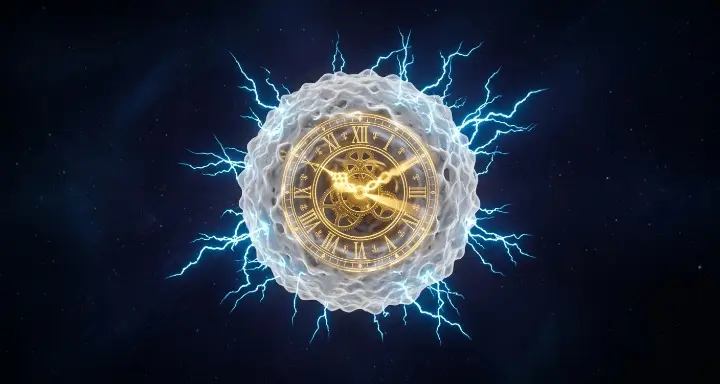
Your white blood cells are aging faster than you. While you go about your day, a specific set of immune cells called monocytes are ticking toward an early grave, carrying a biological record of every moment you’ve felt hopeless or lost the ability to feel pleasure. This isn’t a metaphor for feeling old. It is a measurable, chemical reality written into your DNA.
For a long time, the way we identified depression was primitive. You sat in a room, answered questions about your mood, and a clinician made a judgment call based on your self-reported history. It was a subjective process prone to error. Some people show up with crushing fatigue. Others simply stop enjoying their favorite hobbies. Doctors often run blood tests just to rule out a thyroid issue or an infection, but they’ve never had a test that says, yes, this is depression.
Now, researchers at NYU Rory Meyers College of Nursing have found the biological signal we’ve been missing.
The Subjectivity Trap
Depression is a shape-shifter. It doesn’t look the same in a high-powered executive as it does in a patient fighting a chronic illness. Nicole Beaulieu Perez, an assistant professor at NYU and lead author of the study, notes that the broad diagnostic categories we use often obscure the unique biological underpinnings of the disorder.
The problem is that symptoms tend to split into two camps: somatic and non-somatic. Somatic symptoms are the physical ones, fatigue, appetite changes, physical agitation. Non-somatic symptoms are the cognitive and emotional ones, feelings of failure, hopelessness, and anhedonia, which is the inability to feel joy.
Current blood tests fail because they look for sickness in a general sense. They don’t look for the specific wear and tear that emotional despair inflicts on your immune system.
The Clock Under the Microscope
To find this signature, the team analyzed 440 women, including a large group living with HIV. They weren’t looking at actual age, the number on a driver’s license, but biological age. They used epigenetic clocks, which are sophisticated algorithms that scan DNA for specific chemical modifications that accumulate as we age.
They tested two different types of clocks. One was a generalist, measuring multiple cell types and tissues at once. It found nothing. The other was a specialist, focusing entirely on monocytes. These are white blood cells that act as first responders in your immune system, and they happen to be elevated in people struggling with depression.
The results were stark. The monocyte clock revealed that these immune cells were aging at an accelerated rate. But here is the important part: this aging wasn’t linked to physical exhaustion or poor appetite. It was specifically tied to the emotional and cognitive void of depression, the hopelessness and the loss of pleasure.
The Invisible Tax of HIV
The stakes are higher for those already dealing with immune-related conditions. Women living with HIV face a brutal combination of chronic inflammation, social stigma, and economic pressure. In this population, depression isn’t just a mood issue. It’s a survival issue. If you are depressed, you are less likely to stick to the antiretroviral therapy that keeps you alive.
In these patients, the monocyte aging was particularly telling. Doctors often attribute a patient’s fatigue or weight loss to their HIV and miss the depression entirely because the physical symptoms look like the primary illness. But by looking at the biological age of these specific immune cells, researchers can finally separate the physical burden of a virus from the cognitive burden of a mood disorder.
Personalizing the Pain
This isn’t just about proving that depression is real or physical. It’s about precision. If we can measure the exact biological footprint of your sadness, we can start to manage it with the same accuracy we use for diabetes or heart disease.
The future of this research, published in The Journals of Gerontology, points toward a world where a blood test could help a doctor decide which medication is most likely to work for your specific biological profile. We could catch the aging of these cells before you even start to feel the full weight of hopelessness.
“What gets measured gets managed,” Perez says. For millions of people who feel like their struggle is invisible, the fact that their own white blood cells are carrying a witness to their pain is a massive step toward being seen. We are finally learning to listen to the silent testimony of our own blood.